Though writing therapy notes is part of the job, it’s easy to fall behind. The repetitive part can feel like a slog.
AI can make the process simpler. Some programs turn audio into text, some pull out the key moments, and some offer structured templates, like Freed or Nabla Copilot. They just give you a draft, you’re the one who decides what matters.
Here, we’ll cover how to fit AI into your workflow, which types of tools are useful, and how to use them safely so notes stay helpful, instead of an obstacle.
Types of AI for Therapy Notes
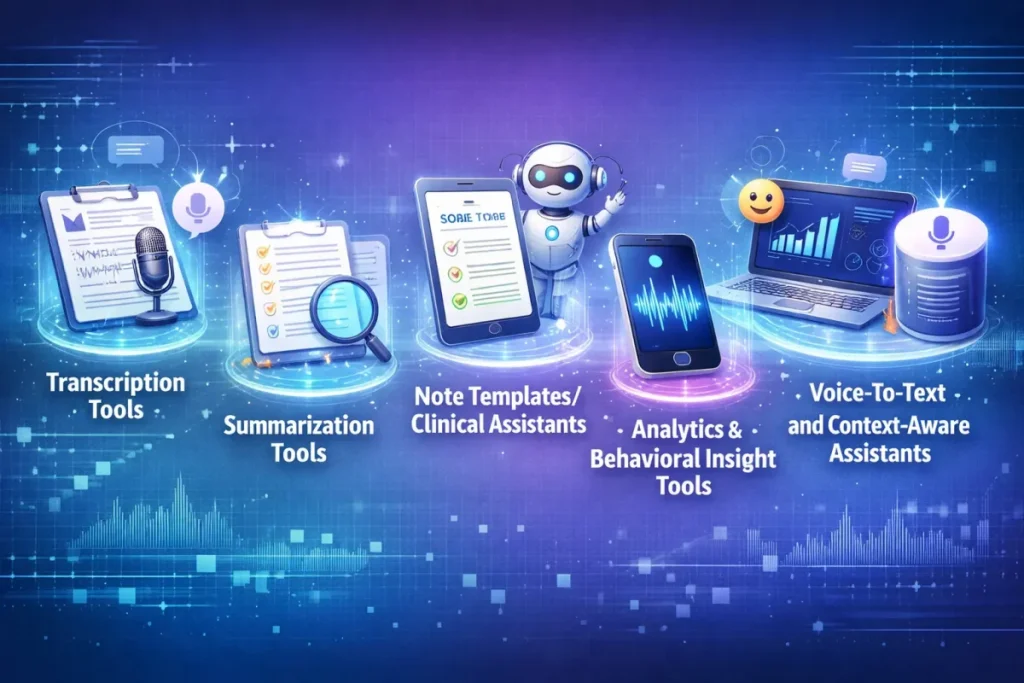
AI can make therapy notes faster and easier while keeping track of client progress. You can even choose how they do it- these are the five common types of tools.
- Transcription Tools: They turn sessions into text and label who is speaking. You get a full record of the conversation.
- Summarization Tools: They extract the key points from transcripts or recordings. You can quickly see concerns, progress, and goals.
- Note Templates / Clinical Assistants: They provide a framework like SOAP or DAP. They suggest wording and fill sections to speed up notes.
- Analytics & Behavioral Insight Tools: They track patterns across sessions. You can spot mood changes, recurring behaviors, as well as trends.
- Voice-to-Text and Context-Aware Assistants: They mix transcription, summaries, and templates. These assistants can generate draft notes during sessions for quick review.
Is It Worth Using AI For Therapy Notes?
If notes are the thing you keep doing last, then yes, it is probably worth it. AI just gives you a rough draft so you do not have to start from nothing. You still edit it and make it yours. It does not change how you work, it just makes the paperwork less annoying.
The 10 Best AI For Therapy Notes
Since these softwares are more niche, many of them have unique and useful features you can use and make your therapy sessions go much smoother.
1. Supanote
Progress notes in SOAP or DAP formats can be generated quickly while capturing client language and your style. Supanote lets you adjust details with the “Super Fill” button and keeps everything HIPAA-compliant.
2. Upheal
Session summaries or recordings can be converted into structured notes automatically. Upheal tracks engagement and speaking patterns and updates notes in your EHR during telehealth sessions.
3. Mentalyc
Audio or written session highlights can be organized into clear progress notes. Mentalyc emphasizes key moments, provides engagement insights, and keeps all data HIPAA-secure.
4. Blueprint.ai
Partial or full recordings can be turned into structured notes with linked treatment plans. Blueprint.ai supports individual and couples therapy and applies SOAP or DAP templates automatically.
5. AutoNotes
Text, dictation, or audio can be converted into editable drafts quickly. AutoNotes supports multiple formats and lets you adjust templates or manage group notes efficiently.
6. SOAPNoteAI
Shorthand notes or telehealth recordings can be turned into HIPAA-compliant SOAP notes that remain editable. SOAPNoteAI allows feedback for refining future drafts and works across therapy types.
7. Freed
Sessions can be recorded and converted into intake notes or follow-ups. Freed adapts the notes to your style, supports multiple languages, and keeps client details organized.
8. Suki AI
Conversations captured by voice can be drafted into structured notes. Suki AI syncs everything to the EHR and lets clinicians review or edit the notes without interrupting sessions.
9. Nabla Copilot
Real-time session input generates concise notes and follow-ups. Nabla Copilot filters irrelevant details, keeps drafts editable, and integrates directly with your EHR while maintaining HIPAA compliance.
10. BastionGPT
Session summaries can produce progress notes, treatment plans, and evaluations. BastionGPT identifies speakers, integrates interventions, tracks goals, and delivers drafts ready for review or insurance submission.
Limitations Of AI For Therapy Notes
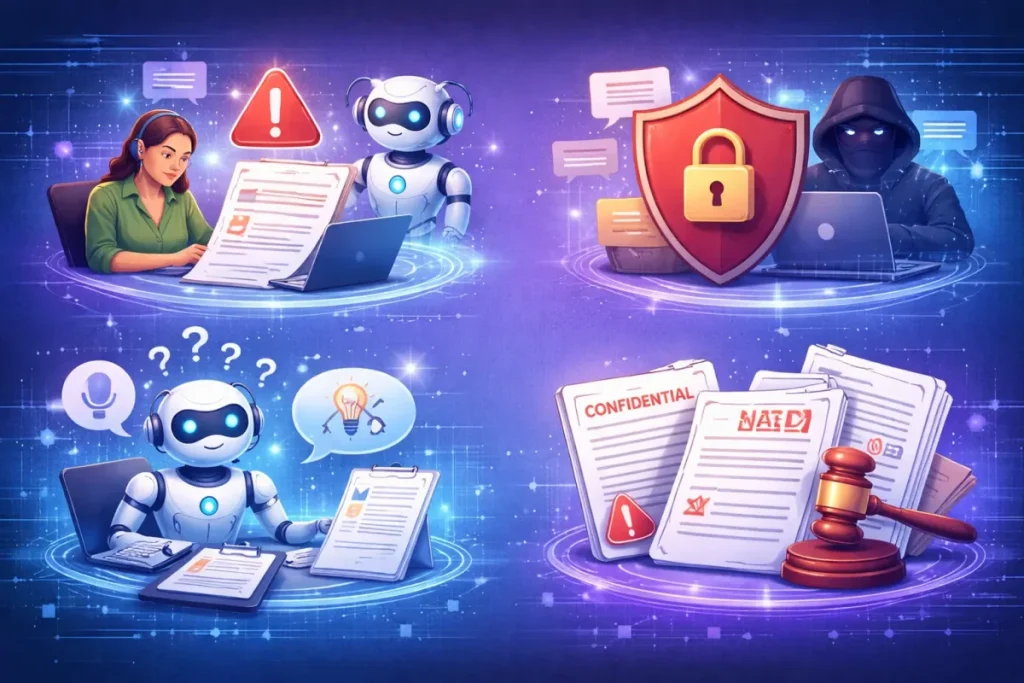
AI can help draft therapy notes, though it still has important limits.
It can miss emotional cues, tone, and nonverbal signals- all which are important limits a therapist can’t miss. Even jokes or metaphors can be misinterpreted, leading to wrong treatments as a result.
Privacy is a big concern too, as it’s still controlled by a third party. Even on secure platforms, client data could be exposed through breaches or errors. AI also cannot exercise clinical judgment. It can summarize words but cannot assess risk, notice progress, or decide what is most important.
Finally, AI notes may not meet legal or regulatory standards. Missing required details or formatting could create compliance problems.
Considerations With Using AI For Therapy Notes
AI streamlines note-taking and keeps information organized. Human review guarantees accuracy and protects client information. Consider these steps:
- Review every AI-generated note.
- Use secure, healthcare-compliant tools.
- Limit input to essential details.
- Assign what AI can handle and what requires manual attention.
- Watch for errors and refine your approach.
- Inform clients that AI assists with notes.
Conclusion
You can start using AI for therapy notes. You understand the limits and how to use it safely. It makes notes faster and keeps information organized. Let AI handle the drafts while you check and adjust. Keep client data secure. When you use it thoughtfully, it frees you to focus more on your clients.