In B2B sales, tech questions come up all the time, and quick answers are needed to keep deals moving.
Even small delays can slow things down, and that’s where an AI Sales Engineer helps.
The best AI Sales Engineer will take care of common product questions and tech checks right away, so human Sales Engineers can focus on solving bigger challenges in the deal.
It fits into the sales process naturally, helping the team move faster while buyers get the guidance they need.
What an AI Sales Engineer Does
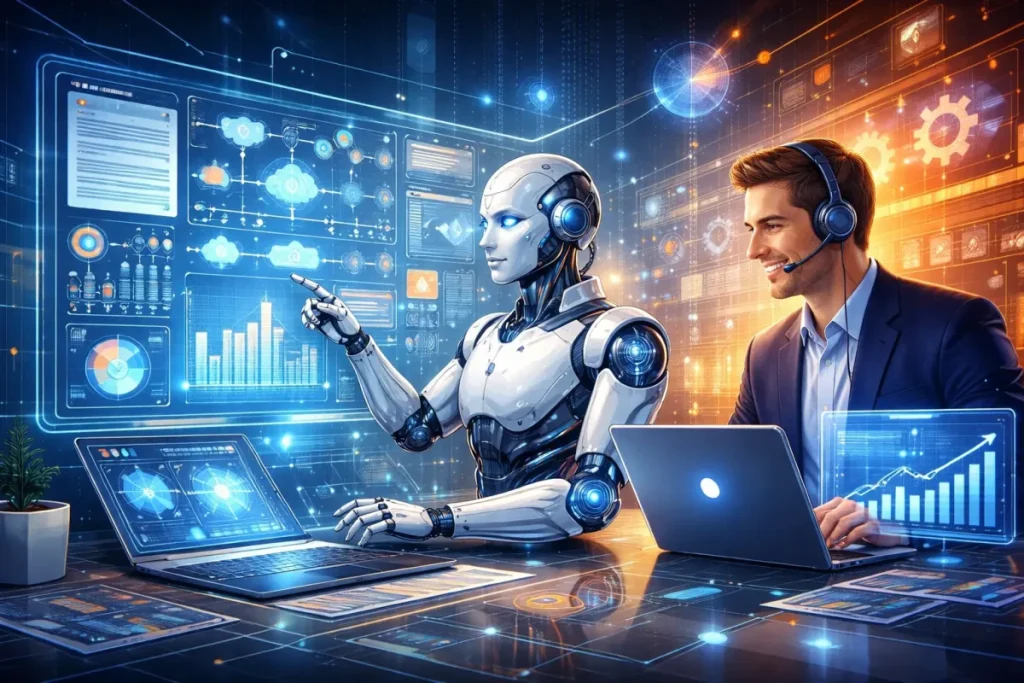
In everyday pre-sales, an AI Sales Engineer is a quiet, reliable assistant.
When a prospect asks about system requirements, integrations, or compatibility, it pulls up the right technical documents instantly.
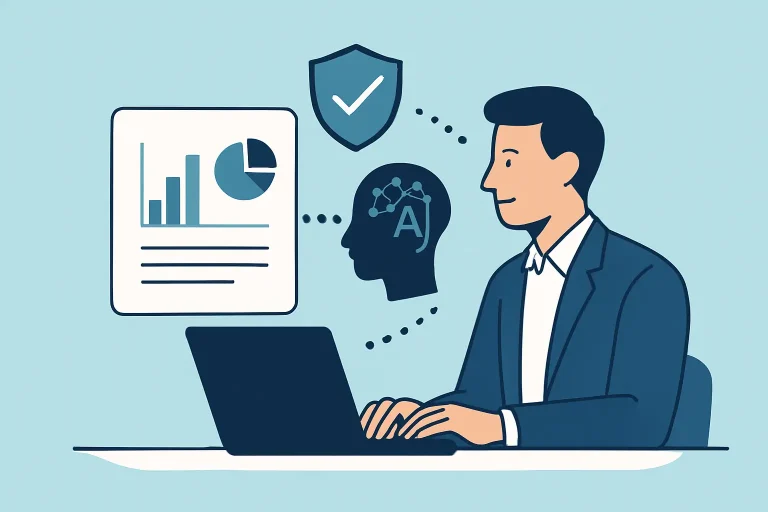
During calls, it shows specifications, diagrams, or reference material without interrupting the conversation. Human SEs can then focus on explaining solutions and handling questions that need nuance or judgment.
The AI takes on routine technical checks and real-time support, handling the repetitive work that would otherwise slow the process.
It keeps demos and POCs moving efficiently while letting human SEs spend time where their expertise matters most.
How AI Sales Engineers Work in Sales Motions
Across the pre-sales process, AI Sales Engineers support key stages:
- Technical discovery: They highlight constraints, suggest relevant questions, and reference previous solutions.
- Demo environments: They guide SEs toward features that matter most to the prospect.
- Proof-of-concept (POC): They track requirements, reference prior projects, and ensure integration standards are met.
- Integration architecture: They provide system diagrams, specs, and compatibility information in real time.
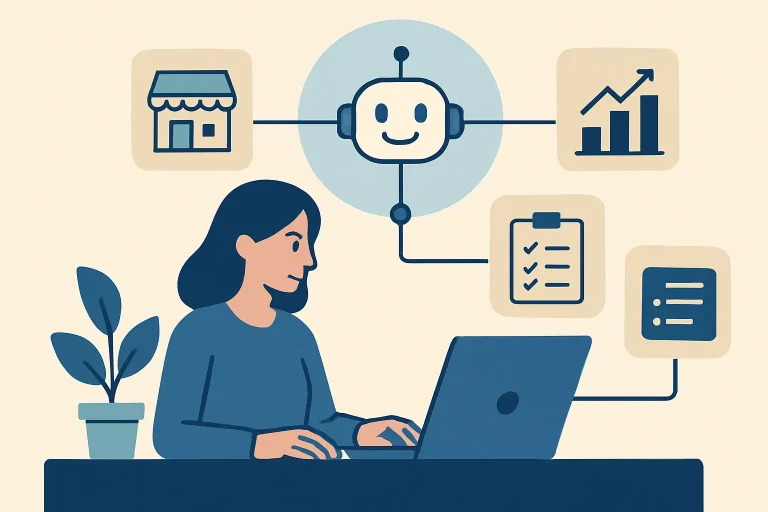
Most AI Sales Engineers operate within tools like Slack or CRMs, fitting seamlessly into workflows so human SEs can focus on the conversation rather than searching for documentation.
Does The Best AI Sales Engineer Compete With Human Sales Engineer?
No, they both work together.
AI Sales Engineers take care of the routine tech stuff so human SEs can focus on the tricky parts of a deal.
On calls or demos, the AI can bring up answers fast, letting the SE steer the conversation and handle the questions that need thinking.
It works from a set knowledge base, so answers stay steady, while human SEs add context and handle anything unexpected.
Anything the AI can’t cover goes straight to a human SE, which lets the team keep calls and trials moving without slowing down.
Together, the AI and human SE cover more ground: the AI handles the repeat work, and the SE focuses on problem-solving and guiding the talk.
Business Impact Of AI Sales Engineers

Once teams add an AI Sales Engineer, speed shows up first. Basic tech questions get answered right away, so deals keep moving and buyers stay engaged.
The sales flow feels steadier too. Human SEs vary in how they explain things, but the AI keeps answers clear and consistent, giving buyers the same level of help every time.
On the cost side, it’s about scale. Teams can support more deals at once because the AI handles repeat talks, setup help, and early checks, without extra hires.
Teams also gain better insight. Every question and pause is tracked to show where buyers hesitate and what motivates them.
Implementation of an AI Sales Engineer
Rolling out an AI Sales Engineer works best when it’s treated like a change in how sales runs day to day. Teams that rush it often miss what makes it useful. The smoother setups start by slowing down just enough to get the basics right.
To start off well, you must do the following.
Set Clear Role Lines
First off, it helps to decide what the AI handles and what stays human. Some teams use it early on for tech checks and fit questions. Others use it during demos or trials. Clear lines keep things smooth and avoid overlap.
Teach It How Sales Really Talks
Instead of feeding it long docs, it works better to train the AI on real sales calls, demo notes, FAQs, and common pushback. That way, replies sound like a Sales Engineer, not a help page.
Plug It Into Your Sales Stack
Once it knows the product, the AI needs context. CRM data, account info, and usage signals help it answer in a way that fits each buyer. This is when it stops feeling generic and starts feeling helpful. This tailored approach will be crucial in implementing aidriven marketing strategies for 2026. As consumer behavior continues to evolve, leveraging AI insights will enable brands to engage customers more effectively than ever before. By anticipating needs and personalizing interactions, businesses will create meaningful connections that drive loyalty and growth.
Bring It Live In Stages
Most teams don’t flip the switch all at once. They start small, test it, and expand as trust builds. That gives space to fix gaps without putting deals at risk.
When to Use an AI Sales Engineer
AI Sales Engineers work best in very clear situations. They’re not for every deal, but when the setup fits, they remove a lot of drag. You can use them when you have: the right tools and resources at your disposal. For instance, using the best ai video editors for agencies can streamline your marketing efforts and enhance your content quality. This approach allows you to create engaging visuals that capture your audience’s attention effectively.
- Lots of inbound leads asking the same tech questions
- Long sales cycles that slow down early
- Products with trials or self-serve flows
- Small sales teams handling many accounts
It’s always about timing with those cases. Buyers want answers right away, and an AI Sales Engineer takes care of the small problems so humans can focus on helping buyers and guiding choices.
FAQs

Is an AI Sales Engineer the same as a chatbot?
An AI Sales Engineer is not just a chatbot. It sticks with the deal, keeps track of the context, shows the right info, and hands tricky questions to a human SE.
Can an AI Sales Engineer help on live calls?
An AI Sales Engineer can jump in on calls to pull up answers, specs, or setup details while the human SE leads. That way, the talk keeps moving and buyers get help right away. As companies look to optimize their operations, AI agent pricing analysis for 2026 becomes crucial for strategizing budgets and forecasts. Understanding how these AI solutions can be integrated will play a key role in enhancing efficiency and reducing costs. With the right insights, businesses can make informed decisions about which technologies to adopt.
Does an AI Sales Engineer replace human Sales Engineers?
An AI Sales Engineer works with humans, not instead of them. It takes care of repeat questions and basic checks so human SEs can focus on the tricky stuff and guide buyers.
What happens when an AI Sales Engineer doesn’t know an answer?
When a question is tricky, the AI passes it to a human SE. That keeps answers clear and the deal moving.
Is an AI Sales Engineer used in proofs of concept?
An AI Sales Engineer helps with POCs by setting up demos, checking configs, and handling common tech questions fast. Human SEs can then focus on the parts that need judgment.
Final Thoughts
This tech exists because pre-sales work doesn’t scale cleanly with people alone. As deal volume grows, response time and coverage start to slip.
If you get the best AI Sales Engineer and use it properly, it can keep things steady.
Buyers get timely help, human Sales Engineers stay focused on judgment-heavy work, and deals move forward without unnecessary pauses.
That balance is what makes it useful in real sales motions, not just in theory.